

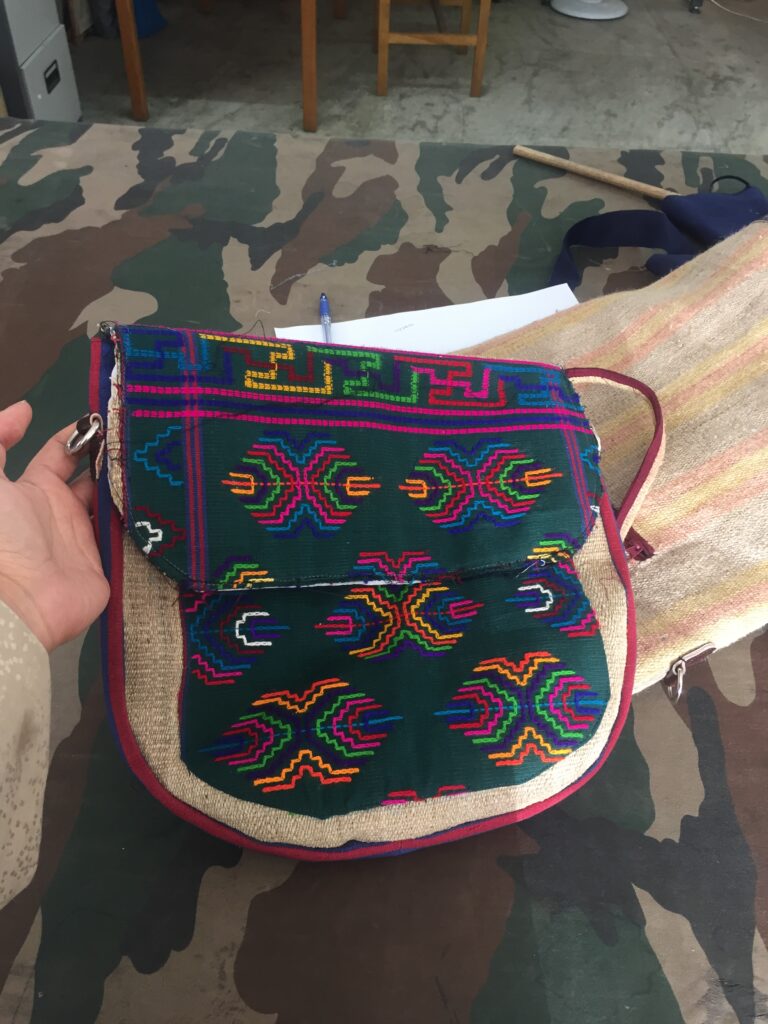
Bhutan’s handicrafts are far more than decorative products—they are living expressions of the country’s history, spirituality, and cultural identity. For centuries, Bhutanese artisans have preserved traditional techniques that have been passed down through generations, creating handmade products that reflect the nation’s rich heritage and deep connection to nature.
Known locally as Zorig Chusum, meaning the Thirteen Traditional Arts and Crafts of Bhutan, Bhutan’s handicraft tradition includes a wide range of artistic disciplines such as weaving, wood carving, painting, embroidery, metalwork, bamboo craft, sculpture, paper making, and pottery. These crafts have long played an important role in Bhutanese daily life, religious practices, architecture, and ceremonial traditions.
Among these, textile weaving remains one of Bhutan’s most celebrated crafts. Handwoven fabrics are deeply embedded in Bhutanese culture, with intricate patterns, vibrant colors, and region-specific designs that often symbolize social identity, traditions, and local stories. Traditional garments such as the Gho for men and the Kira for women are crafted using these age-old weaving techniques.
Different regions of Bhutan are known for distinct textile traditions:
- Khoma Village is renowned for producing intricate Kushuthara weaves.
- Bumthang is known for wool products and traditional Yathra textiles.
- Trashiyangtse is famous for bamboo and woodcraft.
Bhutanese handicrafts have traditionally been made using natural resources sourced responsibly from the environment. Artisans often use natural fibers, clay, wood, bamboo, and plant-based dyes. This reflects Bhutan’s long-standing cultural philosophy of living in harmony with nature.
Today, Bhutan’s handicraft sector plays a vital role in preserving cultural heritage while supporting livelihoods for many artisans, especially women in rural communities. Handicraft businesses and social enterprises are helping bring these traditional skills to modern markets through sustainable innovation, tourism experiences, and international exports.
However, Bhutanese handicrafts also face challenges from mass-produced imports, changing consumer preferences, and declining interest among younger generations in learning traditional crafts. This makes preservation efforts even more important.
Organizations such as the National Institute for Zorig Chusum continue to train young artisans and protect traditional knowledge, while businesses like GreenCraft Bhutan are modernizing handicrafts through eco-friendly production methods such as natural dyeing and sustainable textile development.
For visitors and customers around the world, Bhutanese handicrafts offer something increasingly rare: authenticity. Every handmade product carries the time, skill, and cultural significance of the artisan behind it.
When people purchase Bhutanese handicrafts, they are not simply buying a product—they are supporting heritage preservation, sustainable livelihoods, and one of the world’s most unique artistic traditions.