Natural dyeing is an emerging yet deeply meaningful part of Bhutan’s evolving textile industry, combining traditional craftsmanship with environmental sustainability. As global consumers increasingly seek eco-friendly and ethically produced products, Bhutan is rediscovering the value of natural dyes derived from its rich biodiversity and traditional knowledge systems.
For generations, Bhutanese communities have lived in close harmony with nature, relying on forests, plants, herbs, roots, and flowers for everyday needs. While synthetic dyes became more common due to convenience and mass production, there is now a growing movement to revive natural dye practices as a way to preserve tradition and promote sustainable textile production.
Natural dyes are extracted from organic materials such as:
- Plant leaves
- Tree bark
- Roots
- Flowers
- Fruits
- Seeds
- Insects and minerals (in some traditional methods)
In Bhutan, several locally available natural resources are used to create vibrant colors:
Indigo plants produce shades of blue.
Madder roots create red and pink tones.
Walnut husks produce earthy browns.
Turmeric offers bright yellow hues.
Various local leaves, flowers, and bark produce green, orange, grey, and muted natural shades.
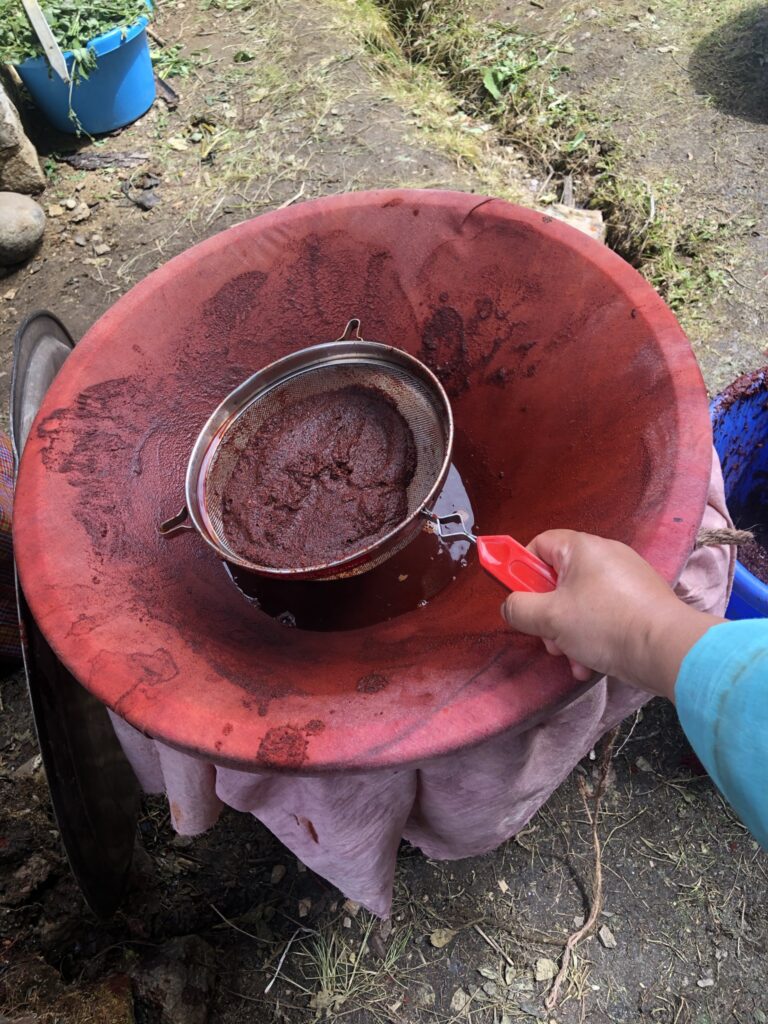
The natural dyeing process is highly labor-intensive and requires both scientific understanding and artistic skill. Artisans must carefully collect raw materials, prepare dye baths, treat fabrics, and ensure color durability. Factors such as water quality, temperature, fabric type, and dye concentration all influence the final result.
Unlike synthetic dyes, natural dyes are:
- Environmentally friendly
- Biodegradable
- Non-toxic
- Safer for artisans
- Often unique in tone and variation
These qualities make naturally dyed textiles increasingly attractive in international sustainable fashion markets.
In Bhutan, organizations, entrepreneurs, and artisans are beginning to explore natural dyes as both a cultural preservation effort and a business opportunity. Businesses like GreenCraft Bhutan are leading this movement by integrating natural dye techniques into handcrafted textile production.
Through experimentation and innovation, GreenCraft uses locally sourced natural materials to create handcrafted products that reflect Bhutan’s environmental values and cultural identity. Their work demonstrates how traditional knowledge can be transformed into modern entrepreneurial opportunities.
Natural dyeing also supports Bhutan’s broader development philosophy of environmental conservation and sustainable economic growth, aligning closely with the country’s commitment to Gross National Happiness and environmental stewardship.
Despite its potential, natural dye production in Bhutan still faces challenges such as limited research, scalability issues, market awareness, and competition from cheaper synthetic alternatives. However, with growing global interest in sustainable textiles, natural dyeing offers significant opportunities for Bhutanese artisans and entrepreneurs.
Natural dyes represent more than color—they represent a return to mindful production, cultural pride, and a sustainable future for Bhutan’s textile industry.