
Bhutan’s textile tradition is one of the country’s most treasured cultural assets, representing centuries of artistry, identity, and craftsmanship. More than just fabric, Bhutanese textiles tell stories of heritage, status, spirituality, and regional pride. Each handwoven piece reflects the patience, creativity, and skills passed down from generation to generation.
Textile weaving has long been an essential part of Bhutanese life, particularly among women, who have traditionally preserved this art form within families and communities. From everyday clothing to ceremonial attire and religious offerings, woven textiles remain deeply integrated into Bhutanese culture.
The most recognizable use of Bhutanese textiles can be seen in the country’s traditional dress:
- Gho – the traditional robe worn by Bhutanese men
- Kira – the elegant woven dress worn by Bhutanese women
These garments are often made from intricately woven fabrics that feature unique patterns, vibrant colors, and symbolic motifs.
Regional Textile Specialties
Different regions of Bhutan are known for distinctive weaving styles and textile products:
Khoma Village
Famous for producing Kushuthara, one of Bhutan’s most intricate and luxurious woven textiles. It often features elaborate supplementary weft patterns and requires exceptional craftsmanship.
Bumthang
Known for Yathra, a colorful handwoven wool textile traditionally used for clothing, blankets, jackets, and home décor products.
Eastern Bhutan
Recognized for traditional raw silk weaving and unique regional designs.
Traditional Weaving Techniques
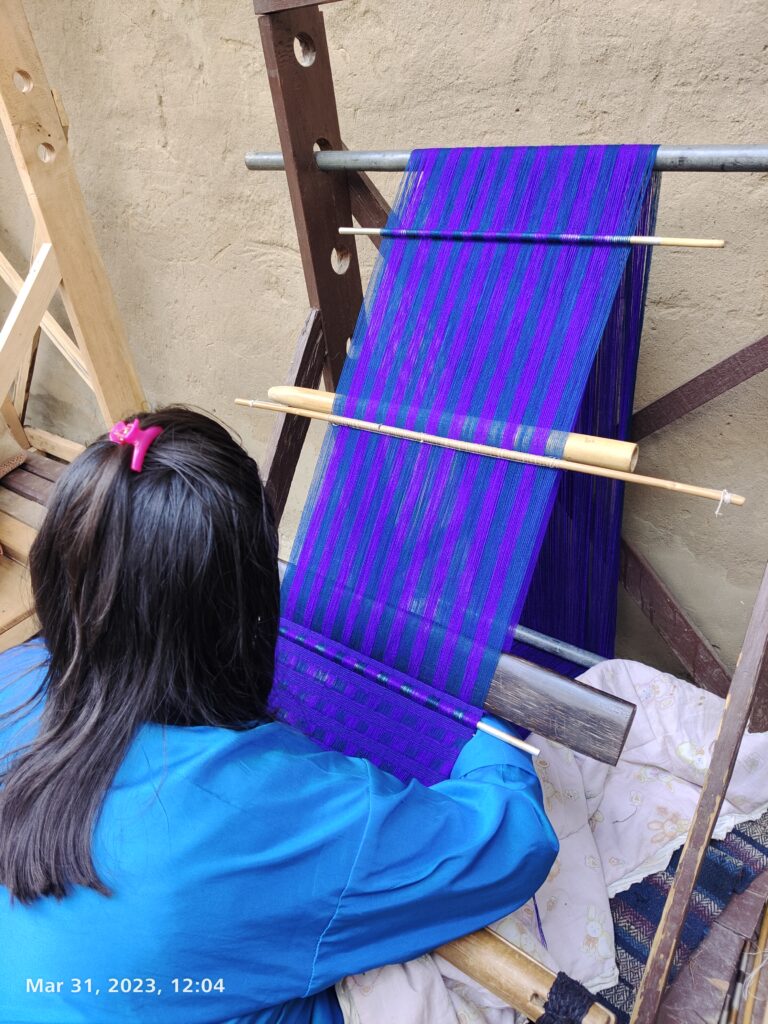
Bhutanese weavers use traditional looms and techniques that require precision and time. Depending on the complexity of the design, creating a single textile piece may take weeks or even months.
Common materials include:
- Silk
- Cotton
- Wool
- Bamboo fibers
- Natural dyes derived from plants and organic materials
Many modern textile enterprises, including GreenCraft Bhutan, are reviving the use of natural dyes to create environmentally friendly products while preserving traditional methods.
Cultural Significance
Textiles in Bhutan often symbolize social identity, family heritage, and occasion-specific traditions. Certain textiles are worn during festivals, weddings, religious ceremonies, and national events.
Handwoven textiles are also commonly gifted during important life events, making them valuable cultural heirlooms.
Economic Importance
The textile sector provides livelihood opportunities for many artisans, particularly women in rural communities. Handwoven products are increasingly attracting international attention due to their authenticity, craftsmanship, and sustainability.
Tourism and export markets have further expanded opportunities for Bhutanese textile businesses.
Challenges and Future Opportunities
Like many traditional industries, Bhutan’s textile sector faces challenges from machine-made imports, rising production costs, and declining interest among younger generations.
However, growing global demand for sustainable fashion, handmade products, and ethical consumerism presents a major opportunity for Bhutanese textiles to thrive in international markets.
By blending tradition with innovation, businesses like GreenCraft Bhutan are helping ensure that Bhutan’s textile legacy continues to evolve while remaining rooted in its cultural heritage.
Every Bhutanese textile carries more than color and design—it carries stories woven through time.